

Worcestershire Profiles
The Amphlett family has historical connections to the area around Malvern, particularly during the 18th and 19th centuries when branches of the family lived in Worcestershire and the nearby countryside.
The Amphletts were part of the local gentry and professional classes, with some members involved in law, landownership, and local administration. Their presence in the region was closely tied to estates and communities around the Malvern Hills, an area that became increasingly popular in the Victorian period for its health resorts and scenic landscape.
As Malvern grew into a fashionable spa town, families such as the Amphletts were part of the social network that connected the surrounding rural estates with the developing town. Through marriages and family branches, the Amphlett name remained associated with Worcestershire communities, including Malvern, contributing to the area’s local history and genealogical records.
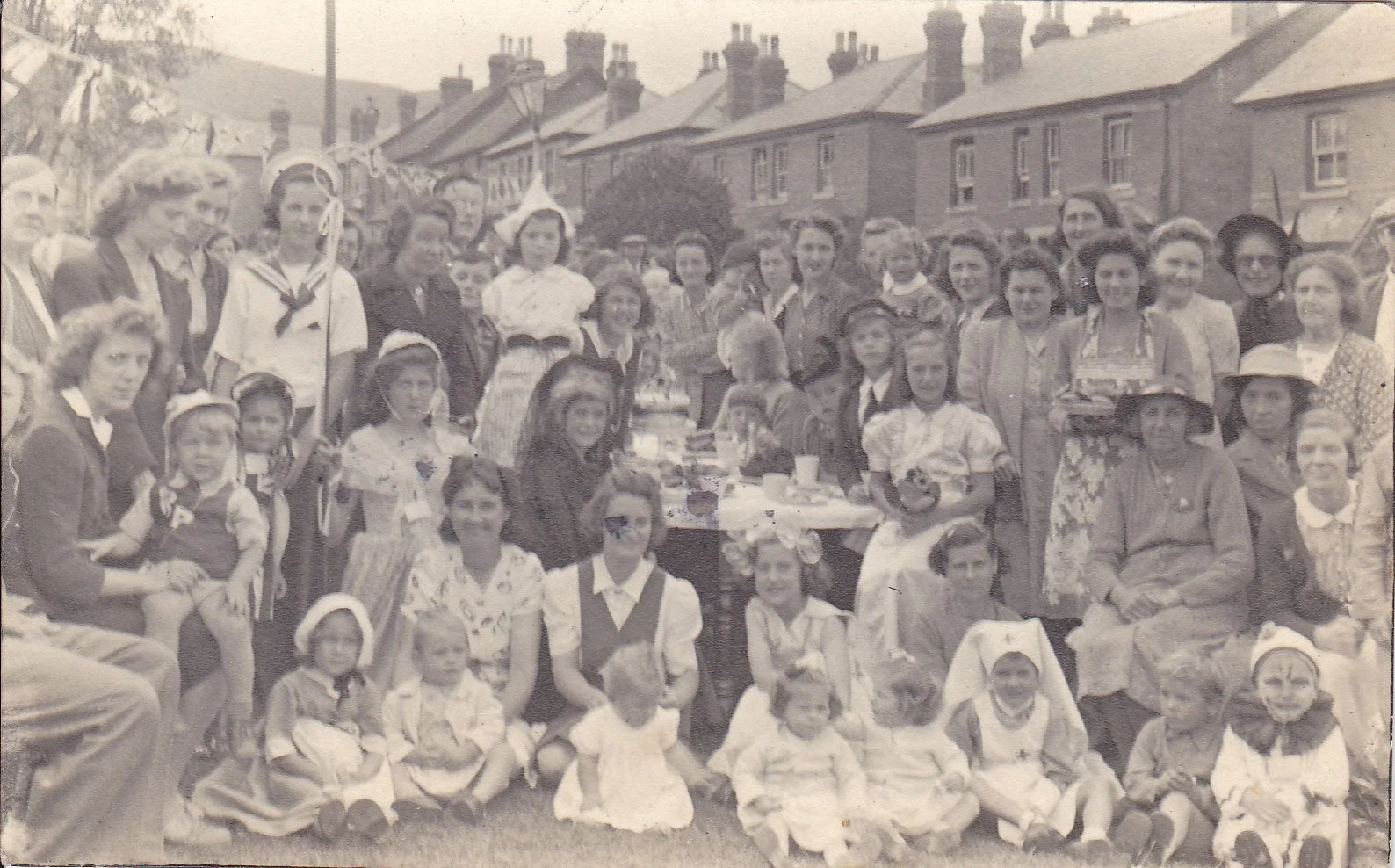
Photo taken in Pound Bank Road Malvern
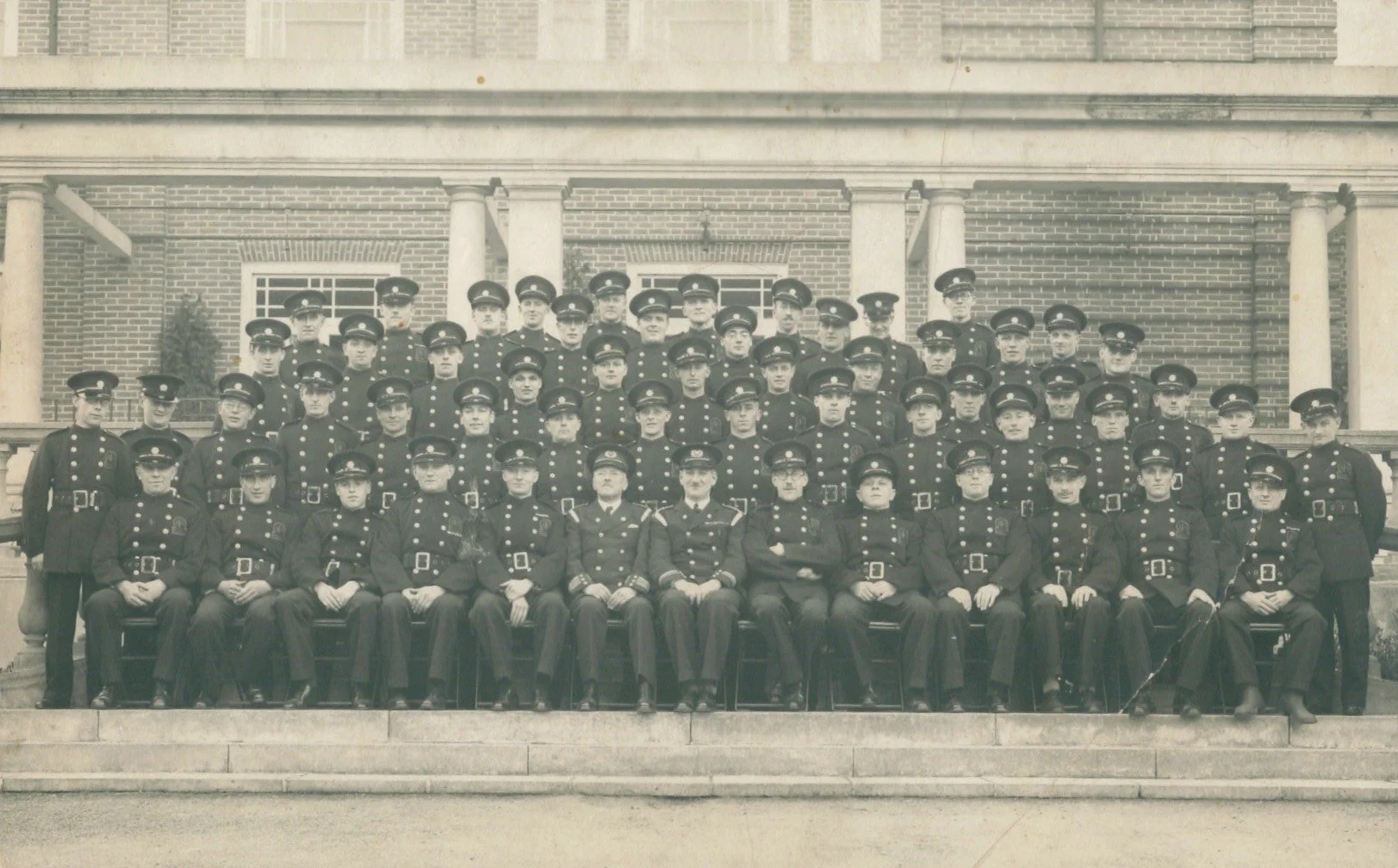
Malvern Fire Brigade- I think its taken at the bank of Malvern Theatre- The Winter gardens
My branch of the Amphlett family was not landed gentry or judges but the working class of Malvern.
Living around the now, Madresfield/Pickersleigh road area of Malvern they were well known in a close knit community.
Reginald Amphlett (1909-1954), volunteered in the fire service in Malvern.
He also coached the Guarlford Football team and eventually, Barnards Green and Malvern Town FC.
LEIGH
The Amphletts before moving to Malvern, first lived in Leigh. Leigh is a small village near to Bransford and Leigh Sinton.
The Amphlett’s lived together in an area of Leigh called Brockamin at the Pidgeon houses. I heard it called The Bull RIng.
John Andrew Amphlett (1858) b Clifton on Teme, lived with his numerous children as can be seen in the 2011 census below.


James Amphlett’s memorial in Leigh church

John was a carter on a farm, as was his eldest son Chris. However the younger illfated brother who died at the Somme, James (1892) b. Hallow, worked at that time as a railway porter. The younger children were still of school age.

Typical front cover of Berrow’s Worcester Jounral during the First World War, showing the faces of the missing or dead.

James Amphlett’s memorial in Theipval, France.
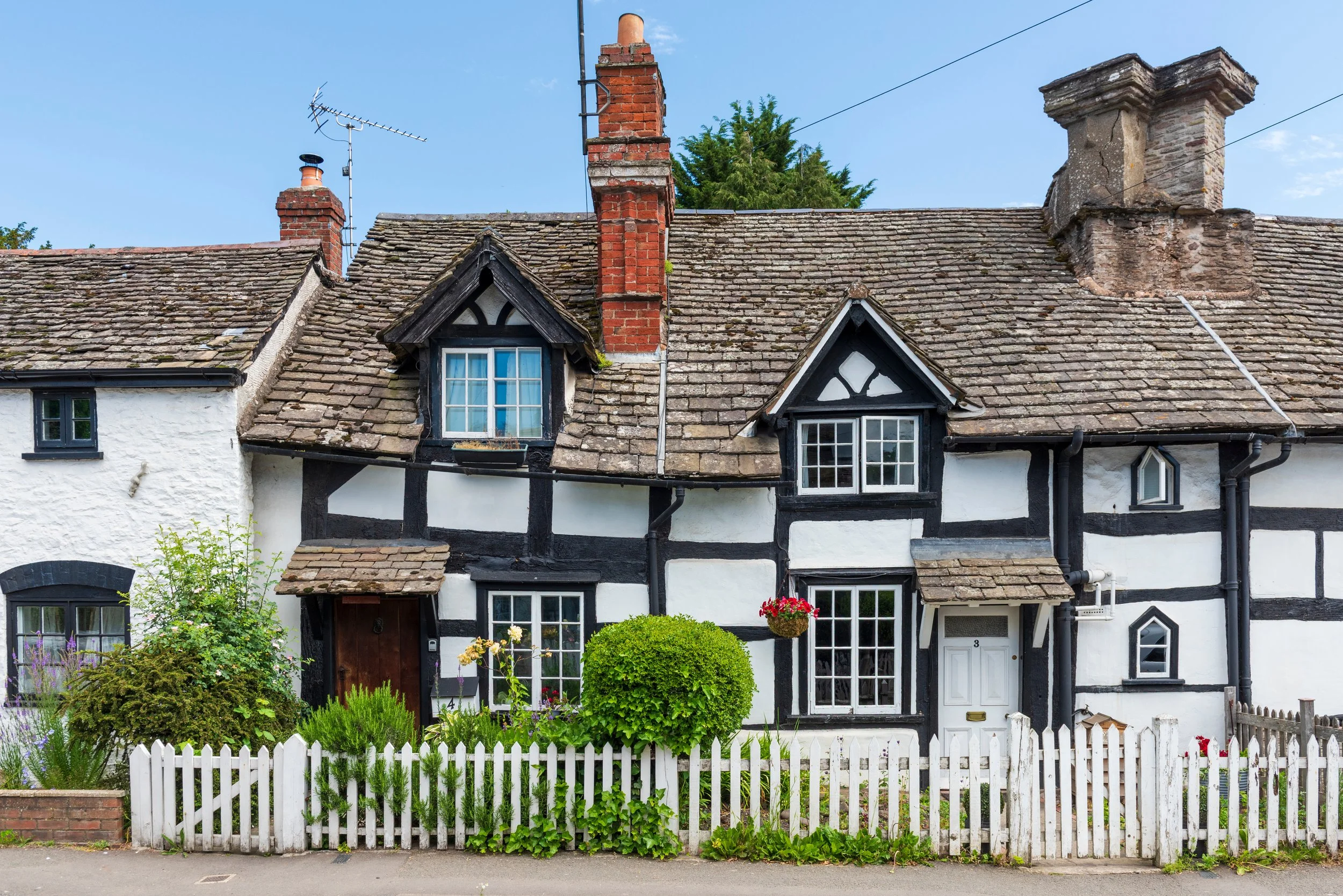
Clifton upon Teme
John Andrew Amphlett (1858-1939)
Clifton upon Teme and links to the Amphlett family name
Clifton upon Teme is a small village and civil parish in Worcestershire, England, situated on the River Teme about 6 miles southwest of Ludlow. The village occupies a sheltered valley setting characterised by rolling agricultural land, traditional stone and brick buildings, and a parish church whose medieval origins reflect long continuity of settlement. Historically part of the Hundred of Doddingtree, Clifton upon Teme lies close to the Worcestershire–Herefordshire border and has long been shaped by agricultural, ecclesiastical and minor market-town connections rather than large-scale industrial change.
Key historical features
Parish church: St Kenelm’s Church (sometimes referenced in older sources with variant spellings) has medieval fabric with later restorations and monuments. Parish registers, churchwardens’ accounts and burial records preserved in county archives are primary sources for family-history research.
Manor and landholding: The manorial landscape of Clifton upon Teme shifted between local gentry and ecclesiastical ownership across the post‑Medieval period. Tithe maps, enclosure awards and estate papers for neighbouring manors are useful for tracing tenants, labourers and smallholders.
Local economy and population: Agriculture (mixed arable and pasture) dominated; cottage industries and seasonal migration to nearby towns supplemented incomes. Population levels remained modest, so local surnames often show continuity across generations.
Links to the Amphlett family name
Geographic association: The Amphlett surname (including variant spellings such as Amplett,
MARTLEY
Prior to living in Leigh, John Andrew Amphlett (1858) although born in Clifton upon Teme, lived most of his life in Martley. Martley proves to be a centre for one strain of the Amphlett family for hundreds of years, living in Hope House Lane near Martley church.
There are clear links with Tompkin’s Farm.